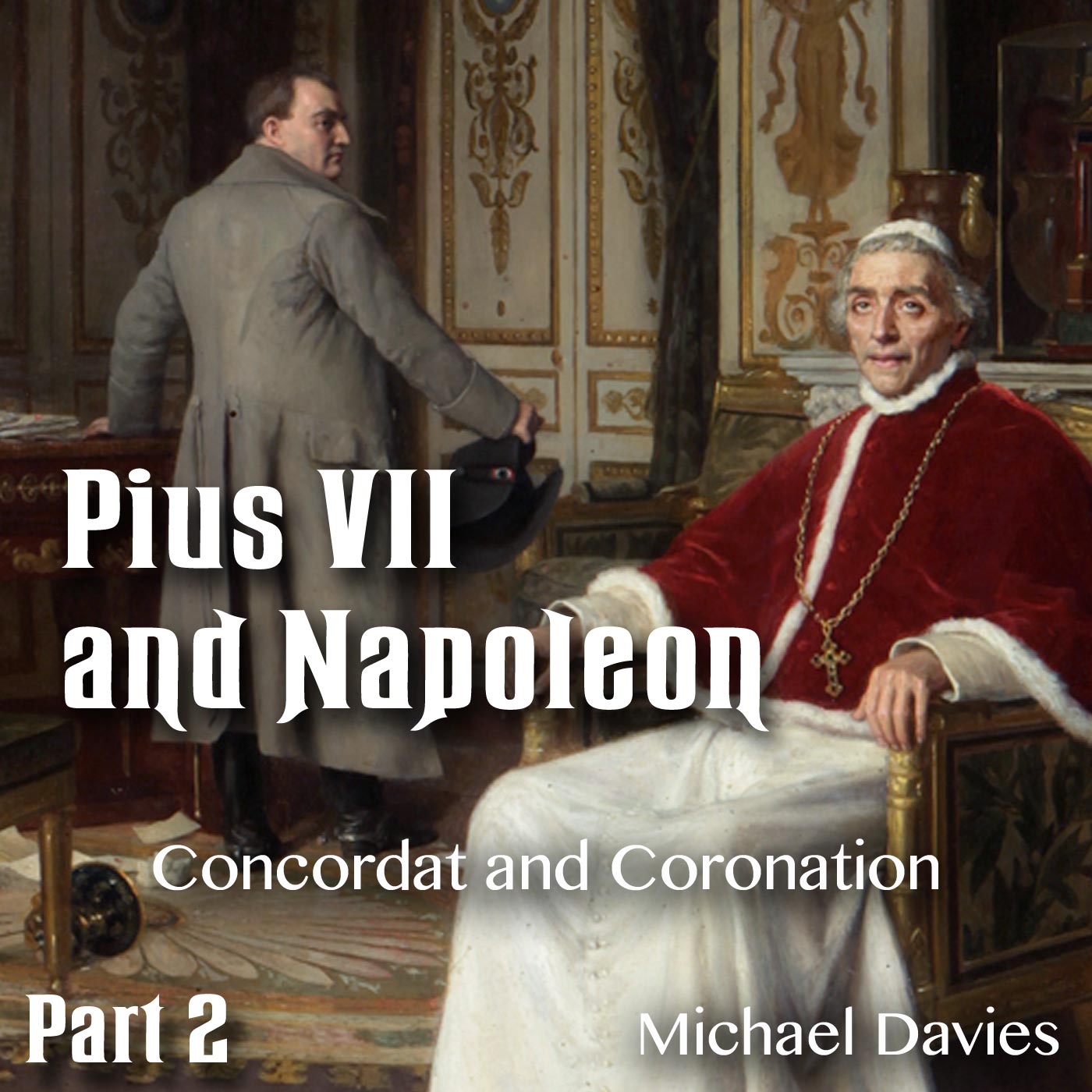
Michael Davies describes the election of Pius VII, the signing of the concordat with France and the crowning of Napoleon. Napoleon, who was both a revolutionary and a man of...
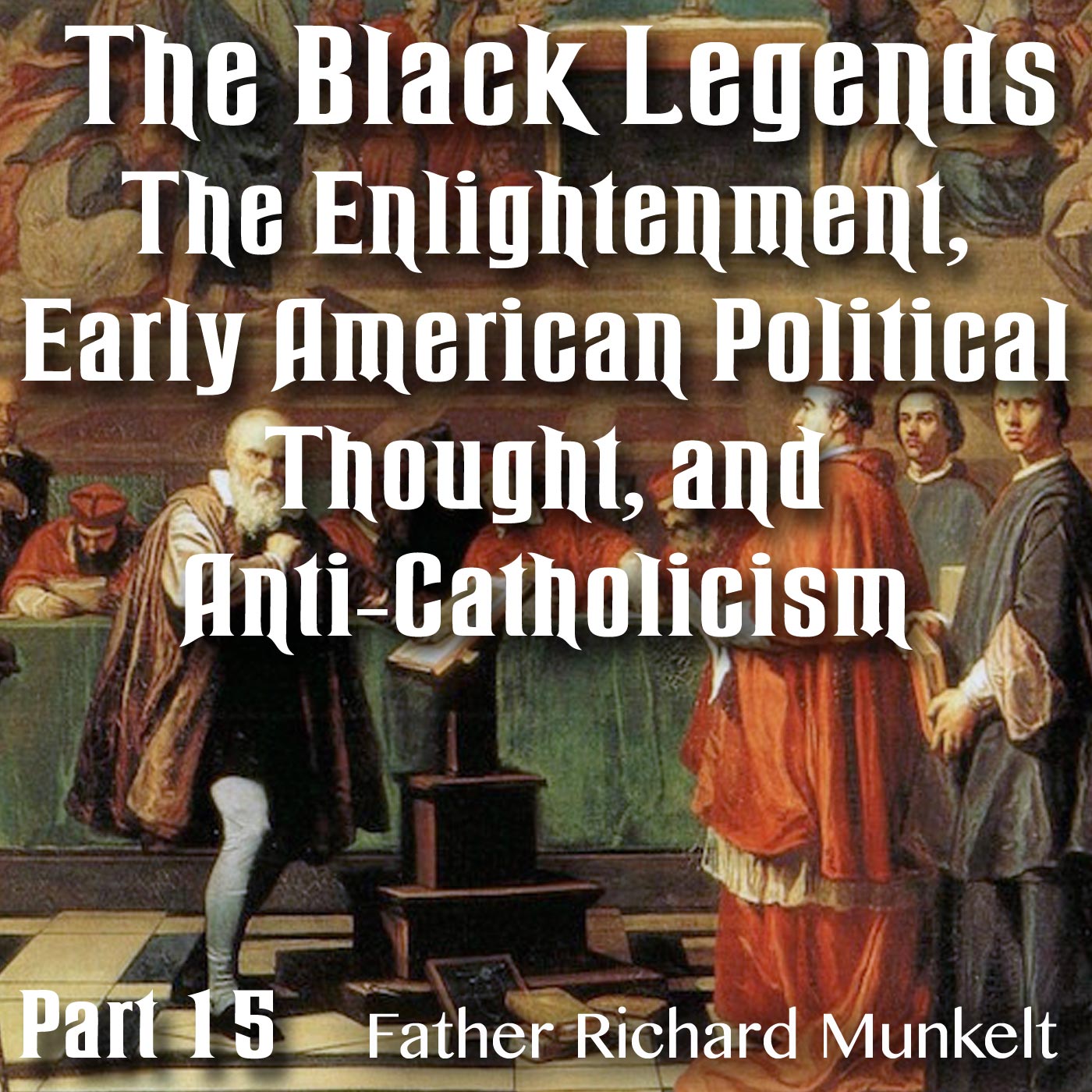
Father Richard Munkelt discusses the influence of the Enlightenment and Enlightenment rhetoric on the political life of colonial America and the early Republic. These are shown to have favored an...
Father Brian Harrison O.S. projects a vision for a new Christendom. The 18th Century enlightenment revolution rejected the premise that Christian principles must form the basis for social-political order. The...
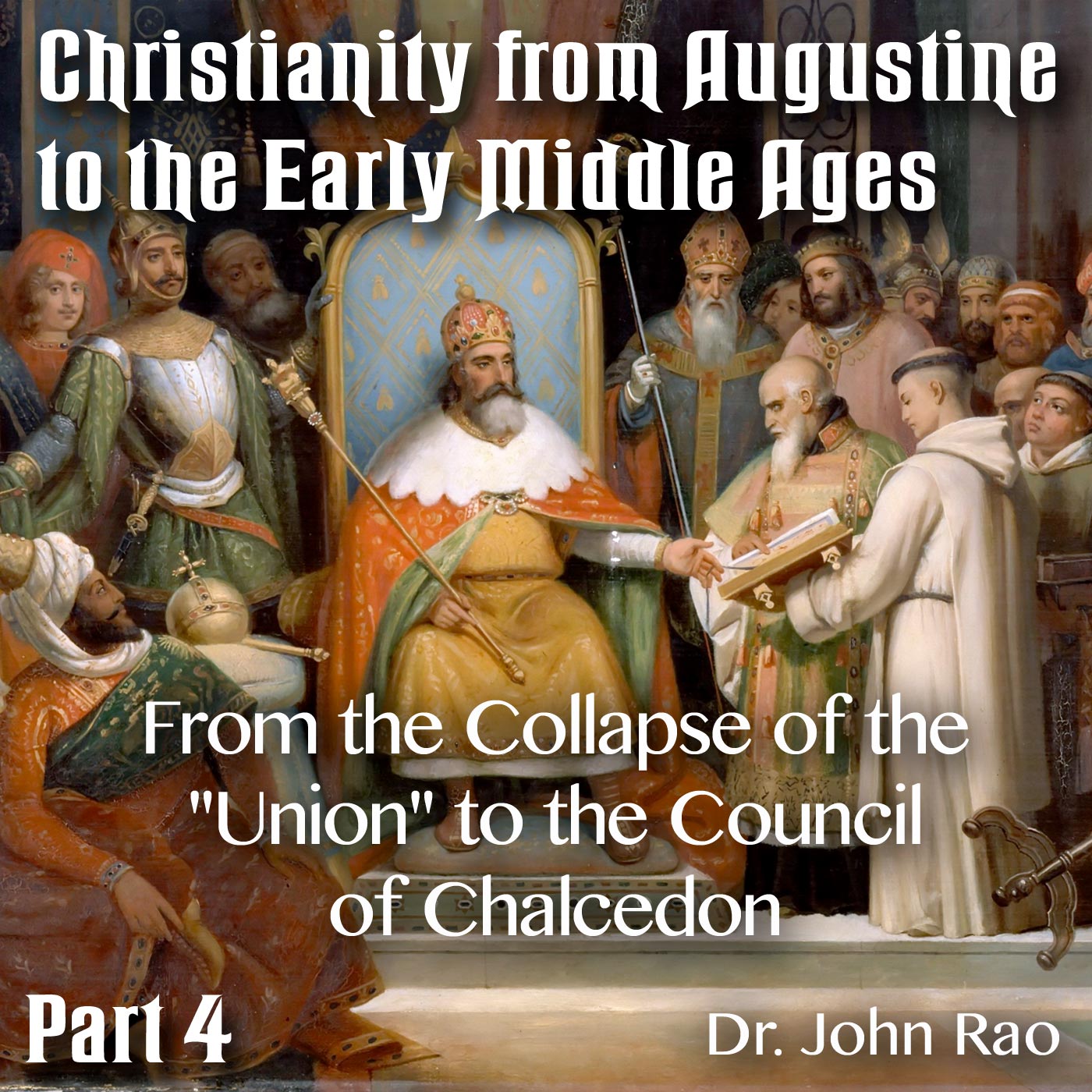
Dr. John Rao discusses the collapse of the “Union” to the Council of Chalcedon. The highly confusing and divisive history of the Council of Ephesus seemed to reach a happy...
Dr. John Rao discusses early Christianity and the Greco-Roman world including the Greco-Roman ecumene. Dr. Rao discusses the character of the Roman Empire under the so-called Principate, the form of...
Archbishop Fulton J Sheen illustrates the difference between freedom and license, by demonstrating the contrast between the Church and Communism and shows that our freedom is not an independence of...
Dr. Janine Langrand, in a deeply spiritual manner, gives us a superb discussion of Baroque art and architecture as a perfect complement to the Ignatian exercises. She shows how such...
Dr. John Rao explores the different problems that varied groups of invaders posed for the eastern and the western sections of the old united Empire. While the East remained more...
Dr. John Rao outlines the Gregorian Reform and the many obstacles in its path. Continued Germanic and other barbarian customs still stood in the way of Christianization and Romanization. The...
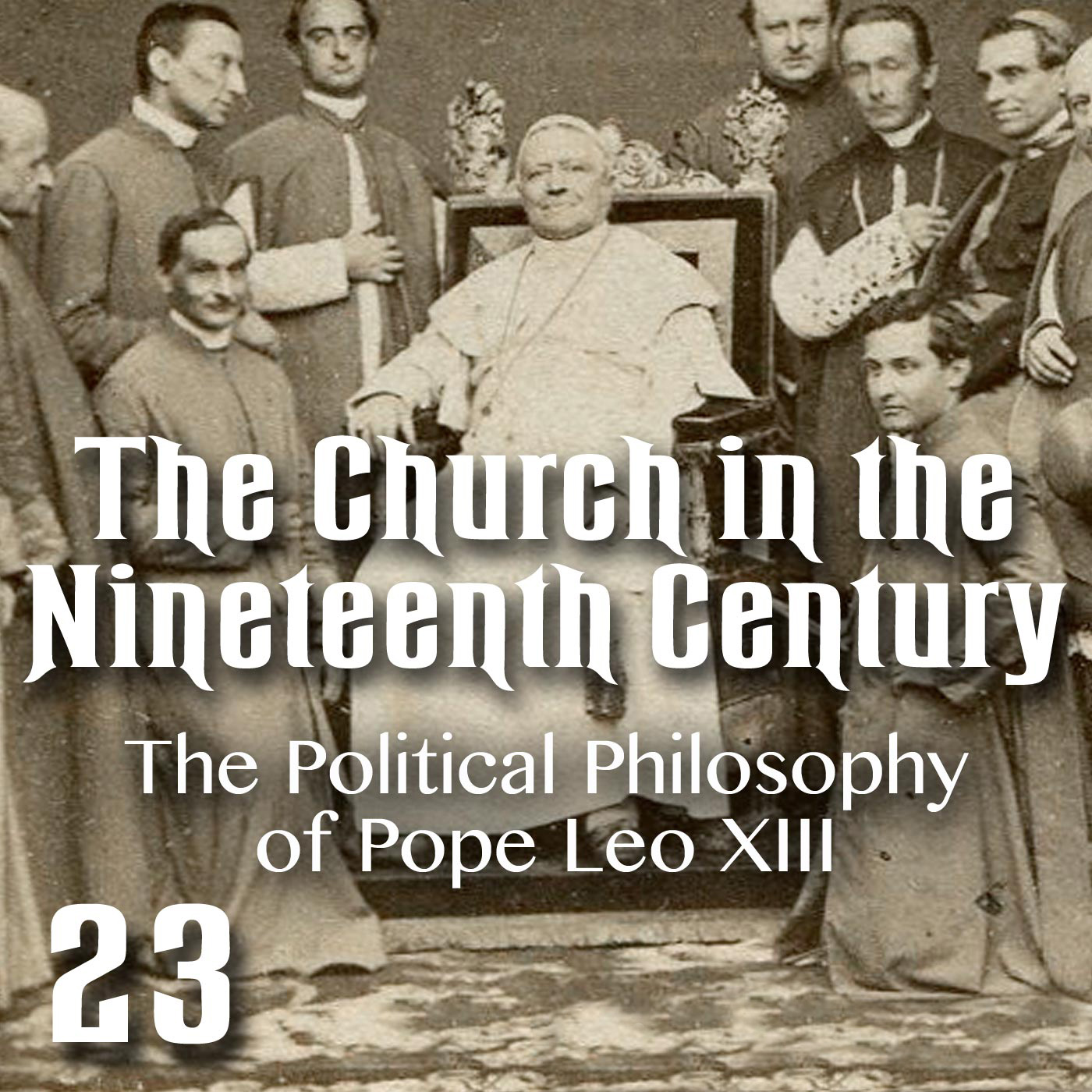
Pius IX himself saw the need for a deeper clarification of the Catholic position by 1848. The rest of his reign was spend dedicated to this work. Dr. John Rao,...
Dr. Jeffry Bond shows that someone interested in a truly serious philosophical, scientific, and historical study of the problem of man in the modern world must examine the work of...
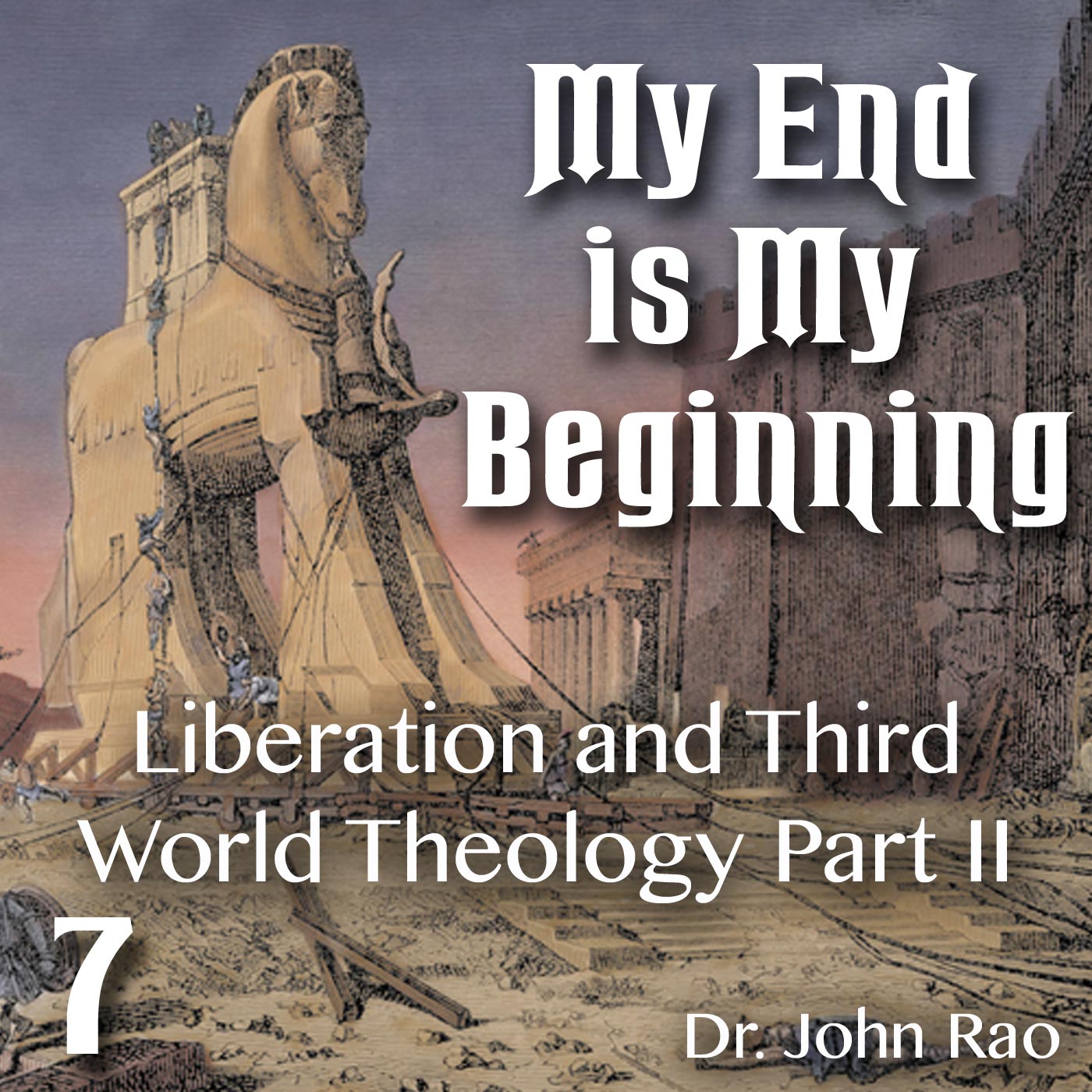
What do Liberation and Third World Theology entail? Dr. John Rao explains that they demand the submission of the Catholic missionary and social activist to what he finds expressed in...
Dr. Jeffrey Bond discusses the city and political authority. He describes community life as a means to attain virtue and as a path to God. Dr. Bond continues with particular...
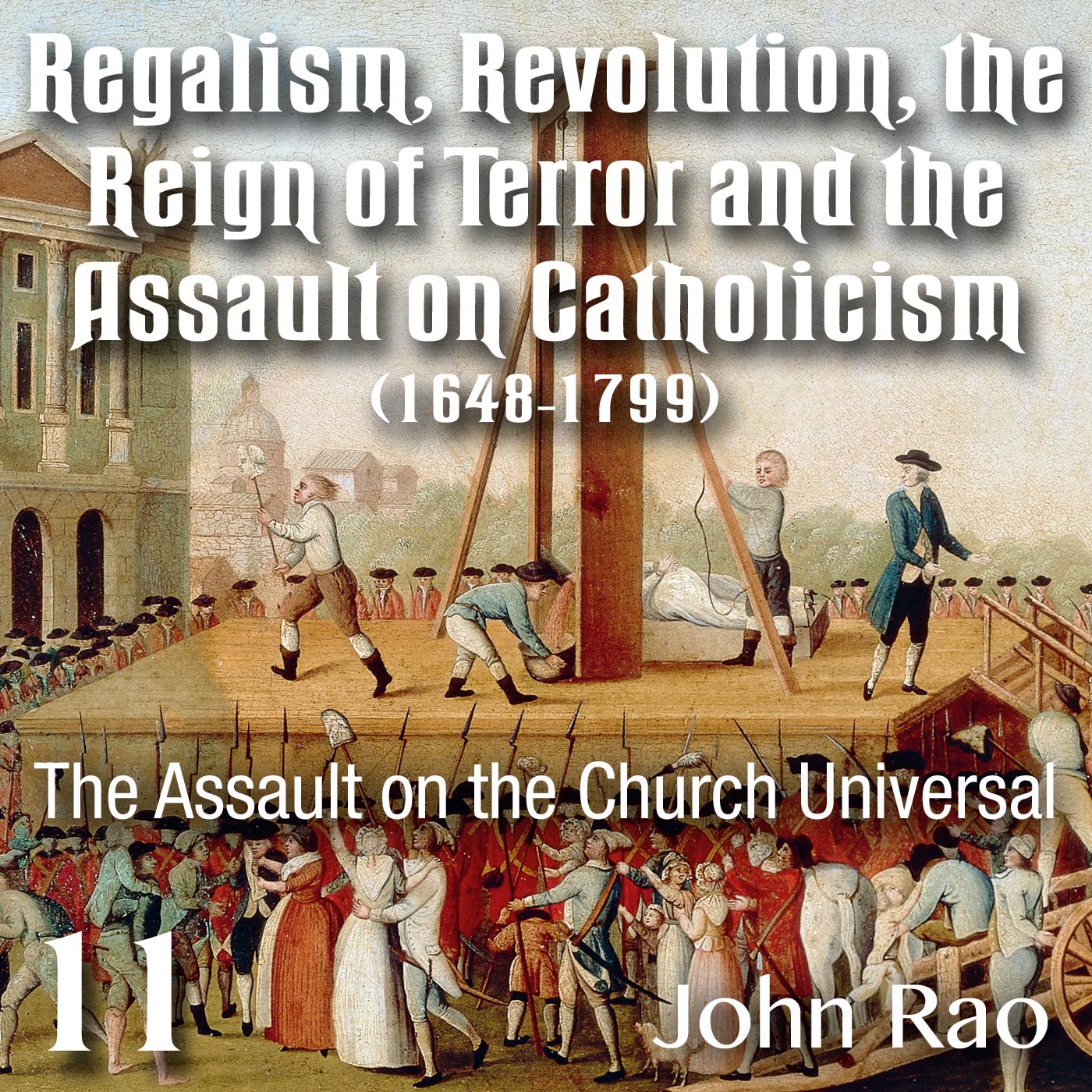
Dr. John Rao describes the assault on the Church Universal over politics, society, education, and in internal affairs in the 17th and 18th centuries. Dr. Rao now explains that the...
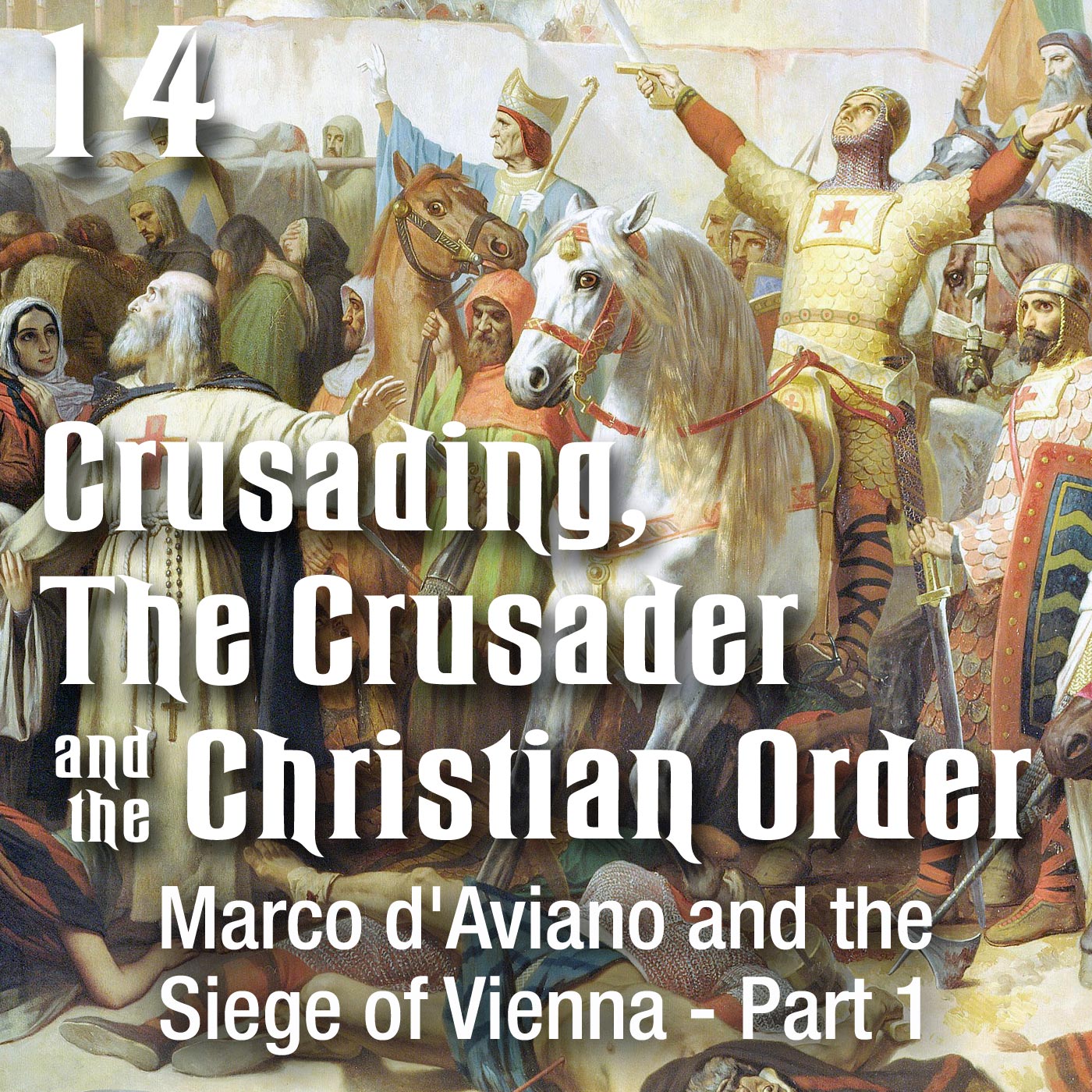
Monsignor Ignacio Barreiro discusses the development and fiery preaching career of the great seventeenth century Capuchin friar, Marco D’Aviano. Taken from Crusading, the Crusader & the Christian Order – 2002...
Monsignor William Smith renders a most brilliant and definitive presentation on Liberation Theology–its Latin-American origins and its materialistic ideology wrapped in Christian garments for the establishment of Karl Marx’s “New...
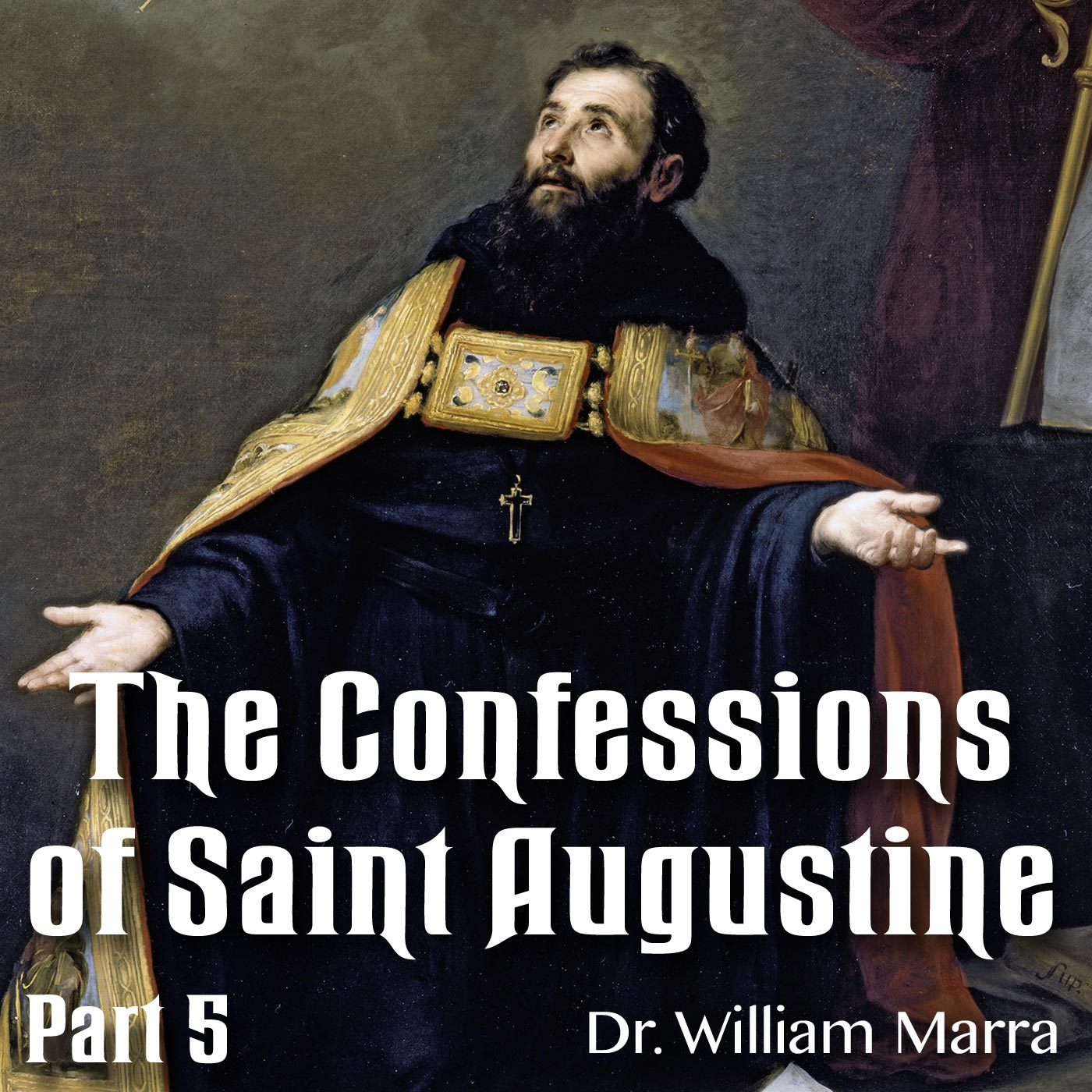
In this fifth lecture Dr. William Marra closely studies certain questions Saint Augustine asks in relation to God and eternity, such as what time is and how it relates to...
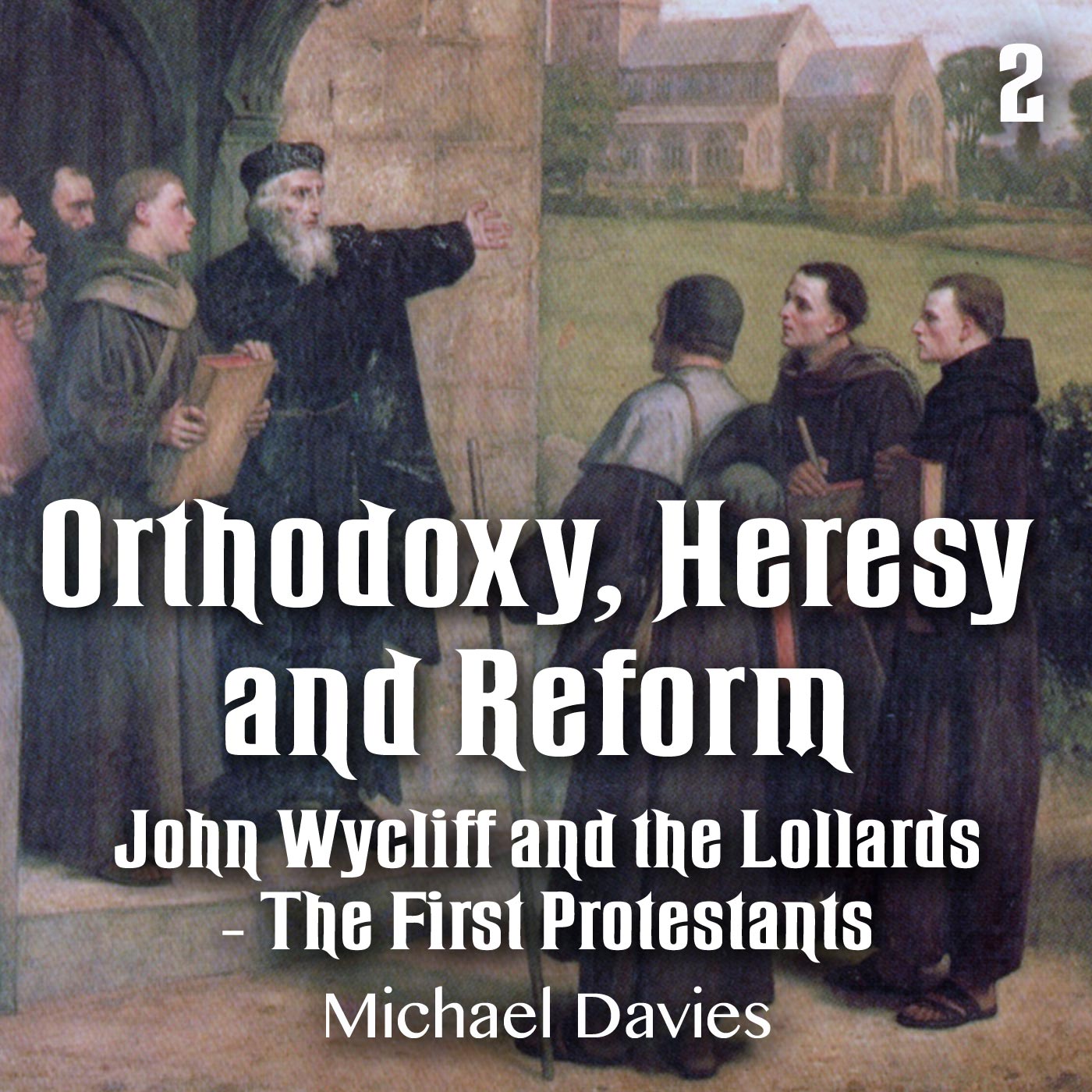
Mr. Michael Davies describes John Wycliff and the first Protestants, the Lollards. John Wycliffe was, after the Catharists, perhaps the most clear cut heretic of the era. His whole approach...
Dr. John Rao unfolds the separation of the natural and the supernatural and the ultimate consequences of the divorce of science from the Catholic world view.